
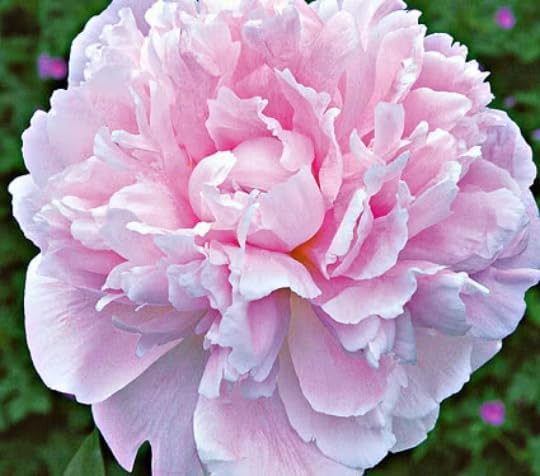
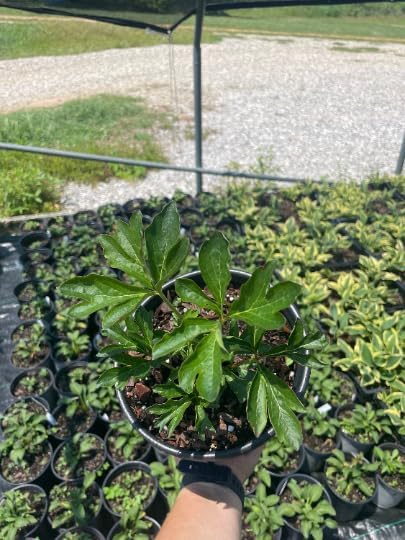
Sarah Bernhardt Potted Peony, 2-3 Eye, in Trade one Gallon Container (0.667 gallons of Dirt)
Product details
| Management number | 220035144 | Release Date | 2026/05/03 | List Price | $11.98 | Model Number | 220035144 | ||
|---|---|---|---|---|---|---|---|---|---|
| Category | |||||||||
Peonies are stunning perennial flowering plants that belong to the genus Paeonia. Known for their lush and extravagant blooms, peonies have been cherished for centuries in gardens across the globe. These elegant flowers feature large, fragrant blossoms with layers of soft, velvety petals in various shades of pink, white, red, and even yellow. They typically bloom in late spring to early summer, adding a touch of beauty and elegance to any landscape. The foliage of peonies is also attractive, with dark green, glossy leaves that create a rich backdrop for the vibrant flowers. Peonies can grow to varying heights, depending on the variety, ranging from 2 to 4 feet (60 to 120 cm) tall. As they are long-lived perennials, peonies often become a treasured centerpiece in gardens, passing down generations of gardeners who appreciate their enduring beauty and charm. Planting Zone Information: Peonies can be grown in a variety of climate zones, depending on the species and cultivar. Generally, they thrive in USDA hardiness zones 3 to 8. These zones cover a considerable range of temperatures, from cold winters to moderate climates, making peonies adaptable to diverse growing conditions. Growing Guide: Transplanting Peonies from a Gallon Pot to the Ground: If you have a peony plant in a gallon pot and want to transplant it into the ground, follow these step-by-step instructions for successful planting and establishment: 1. Choose the Right Location: Select a planting site that receives at least 6 to 8 hours of sunlight daily. Ensure the soil is well-draining and rich in organic matter. 2. Timing: The best time to transplant peonies is in the fall, typically September to October. This allows the plant to establish its root system before winter. 3. Preparing the Soil: Prepare the planting hole about 2 feet (60 cm) wide and 2 feet (60 cm) deep. Mix in compost or well-rotted manure to improve soil fertility and drainage. 4. Transplanting: Gently remove the peony plant from the gallon pot, being careful not to damage the roots. Place the peony in the center of the prepared hole at the same depth it was in the pot. The eyes (buds) of the peony should be around 1 to 2 inches (2.5 to 5 cm) below the soil surface. 5. Backfilling: Fill the hole with the soil mixture, gently firming it around the roots to remove any air pockets. 6. Watering: Water the newly planted peony thoroughly to help settle the soil around the roots. 7. Mulching: Apply a 2 to 4-inch (5 to 10 cm) layer of organic mulch, such as straw or wood chips, around the peony. This will help retain moisture, regulate soil temperature, and suppress weed growth. 8. Maintenance: Keep the soil consistently moist, especially during the first growing season. In the following spring, apply a balanced fertilizer to support healthy growth. 9. Support: As the peony grows and blooms, it may require support to prevent the heavy flowers from drooping. Stake the plants if necessary. 10. Pruning: Deadhead spent flowers to encourage more blooms and remove any diseased or damaged foliage. With proper care and attention, your peonies will thrive and reward you with a delightful display of enchanting blooms for many years to come.
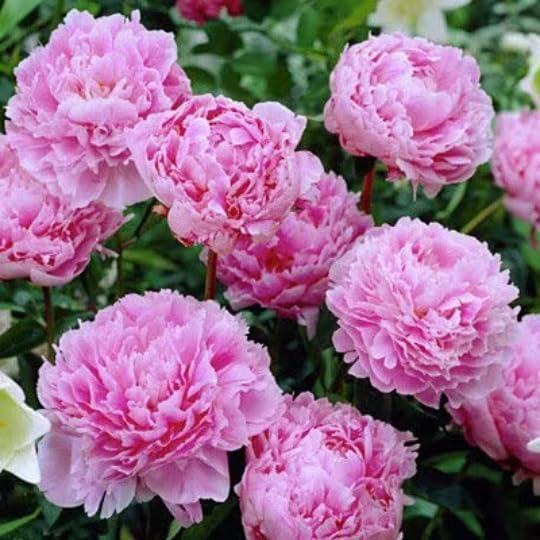
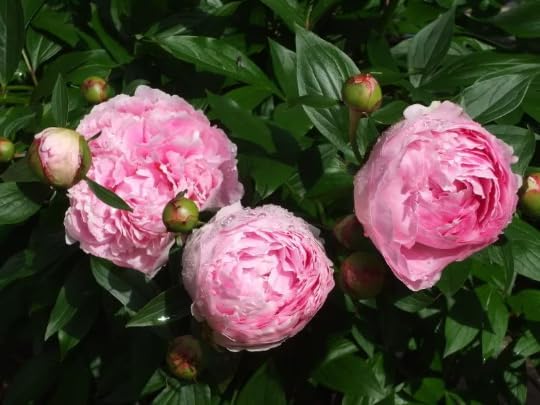
- This gorgeous double light pink peony with 8-9 inch blooms starts blooming late Spring and really puts on a dramatic show!
- Full sun to light shade in the deeper Southern States. Also, do not plant deeper than 2 inches of soil on top. Go deeper, and it will bloom poorly!
- A beautiful classic! And an Award winning shrub!
- 'Sarah Bernhardt' is one of the classic Peonies that helped make this perennial a favorite from the foundation planting to the patio, the border to the vase!
- Gigantic 7- to 9-inch double blooms of luscious pink (occasionally flecked with raspberry) release an unforgettable fragrance, and the sun-loving plant is as easy to grow as a weed!
| Color | Pink |
|---|---|
| Brand Name | Daylily Nursery |
| Unit Count | 1.0 Count |
| Manufacturer | Daylily Nursery |
| Item Type Name | Plant |
| Moisture Needs | Moderate Watering |
| Material Features | Organic |
| Sunlight Exposure | Full Sun |
| Expected Blooming Period | Spring, Summer |
| Global Trade Identification Number | 00840369401731 |


Bestseller ranking
Output Shafts




Customers who viewed this product also viewed
Routers


![Pocket [Free Internet in Your Pocket], Portable Satellite Internet WiFi Ultra Link Free Router Unlimited High Speed Smart Router (1pc)](https://m.media-amazon.com/images/I/610KJdG8CxL._AC_SL1500_.jpg)
Correction of product information
If you notice any omissions or errors in the product information on this page, please use the correction request form below.
Correction Request Form